
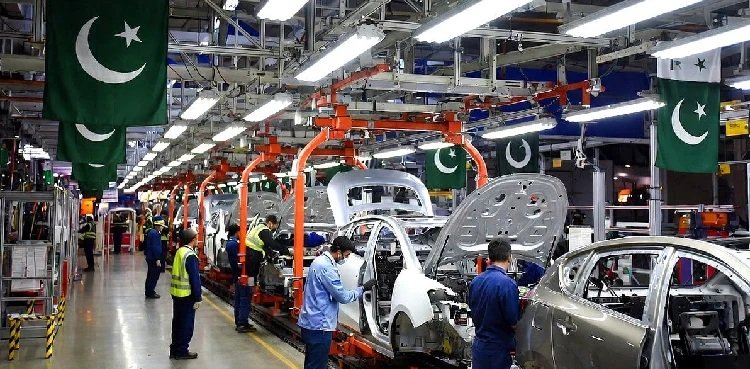
ISLAMABAD: Prime Minister Shehbaz Sharif has reportedly approved the draft of Pakistan’s Automotive Industry Development Policy 2026-31 in principle, setting the stage for further consultations and federal cabinet approval, with the proposed framework targeting local manufacturing, exports and electric vehicle adoption.
According to media reports citing sources, the five-year policy aims to reshape Pakistan’s automobile industry by encouraging domestic production, reducing reliance on imported vehicles and components, and promoting electric and hybrid vehicles. However, the reported in-principle approval does not mean the policy has been formally approved by the federal cabinet or brought into force.
The proposed framework is expected to replace the Automotive Industry Development and Export Policy 2021-26, which expired in June 2026. Its final shape will depend on the outcome of further consultations and completion of the remaining approval process.
Among the key proposals under consideration is a phased reduction in customs duties on vehicles and imported components, alongside efforts to simplify the tariff structure and promote competition. If adopted, the changes could affect vehicle import costs, manufacturers’ sourcing decisions and competition in the domestic automobile market.
The draft also envisages stronger domestic value-addition requirements to encourage manufacturers to produce more components locally instead of relying heavily on imports. Such requirements could influence investment decisions by automakers and parts manufacturers, although the precise obligations and implementation timelines remain subject to the final policy.
Another proposed priority is expanding exports of vehicles and auto parts. The framework is expected to encourage manufacturers to increase their presence in international markets, with incentives potentially linked to export performance.
The promotion of electric and hybrid vehicles is also among the stated objectives of the proposed policy, reflecting the government’s broader industrial ambitions to diversify vehicle technologies and encourage investment in emerging segments of the automotive market.
However, the potential impact on consumers will depend on the final duty structure, the implementation of localisation requirements, the availability of competing models and the extent to which any reduction in import costs is passed on to buyers. A reduction in customs duties would not automatically translate into lower retail prices, as other taxes, levies, exchange-rate movements and manufacturers’ pricing decisions may also influence vehicle costs.
The proposed policy has been under review by government committees, with officials reportedly directed to align the framework with national industrial priorities and improve the sector’s competitiveness. Earlier reports also indicated that the proposals could face further scrutiny, including consultations involving the International Monetary Fund, before the remaining approval stages are completed.
Until the federal cabinet grants final approval and the government issues the applicable policy framework, the proposed tariff changes, localisation requirements and export-related measures should be treated as proposals rather than implemented decisions.
The policy’s final provisions will determine how Pakistan balances lower import barriers and greater market competition with domestic manufacturing, investment, export growth and consumer affordability.