
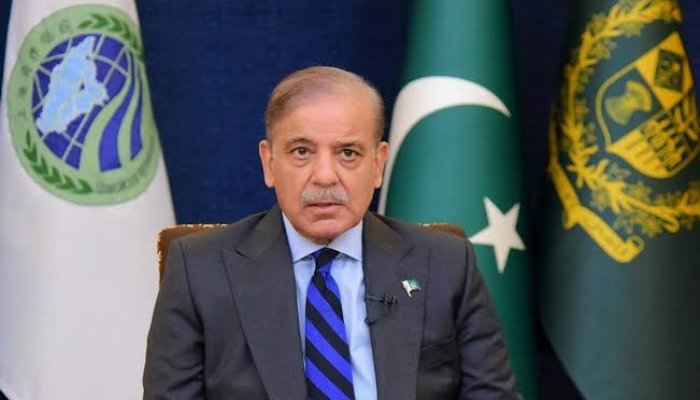
Prime Minister Shehbaz Sharif has approved the Auto Policy 2026, with the new policy expected to be formally announced next week after approval from the International Monetary Fund (IMF), according to sources.
The policy aims to strengthen Pakistan’s automotive industry, increase exports, promote local value addition and facilitate the transition towards electric and new-energy vehicles.
According to sources, the recommendations were approved by the committee constituted to formulate the policy for the auto parts sector. The proposed measures include linking Pakistani auto parts manufacturers with global value chains and bringing five major anchor manufacturing companies into the country to support export-oriented production.
The policy also proposes establishing SME clusters in the automotive sector and eliminating duties on the import of auto parts intended for export production.
Among the key recommendations is the establishment of an Auto Parts Export Council to promote exports and facilitate greater integration of local manufacturers into international markets.
The recommendations also call for making local value addition mandatory in the auto industry and allowing contract manufacturing, a move aimed at expanding production capacity and creating opportunities for local manufacturers to participate in the supply chains of larger automotive companies.
The policy further proposes digitising the approval processes of the Engineering Development Board (EDB) to simplify procedures and reduce administrative hurdles for investors and manufacturers.
A major focus of the proposed policy is the promotion of electric vehicles and new-energy vehicles. The recommendations call for providing uniform incentives and facilities for electric vehicles to create a more consistent policy framework for the emerging segment.
The committee has proposed imposing only one percent sales tax on new-energy vehicles, along with the withdrawal of Federal Excise Duty (FED), Capital Value Tax (CVT) and withholding tax on such vehicles.
The recommendations also include increasing the financing limit for electric vehicles to Rs10 million, potentially making EV financing more accessible to consumers and supporting the expansion of the electric vehicle market.
The proposed measures could have significant implications for Pakistan’s automotive industry, particularly by shifting the policy focus from a primarily domestic-market-oriented approach towards export-led manufacturing and integration with global value chains.
The proposed entry of five major anchor manufacturers is also aimed at creating a stronger industrial ecosystem around auto parts and components, potentially providing local vendors with opportunities to expand production and meet international quality and supply requirements.
The government’s decision to approve the policy comes as Pakistan seeks to enhance industrial competitiveness, increase exports and attract investment while encouraging new technologies in the transport sector.
The policy is expected to be formally announced next week following the IMF’s approval, after which details of the incentives, duties, taxes and implementation framework will become clearer.
Auto Policy 2026, Pakistan Auto Industry, Automotive Sector, Electric Vehicles, EVs, New Energy Vehicles, Auto Parts, Auto Exports, Global Value Chains, Local Value Addition, Contract Manufacturing, Engineering Development Board, EDB, Auto Parts Export Council, SME Clusters, IMF, Investment, Industrial Policy, Pakistan Economy, Exports, Prime Minister Shehbaz Sharif,