
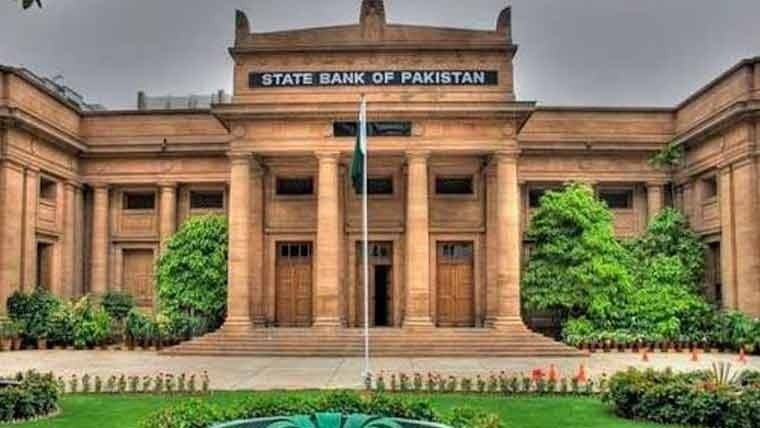
The State Bank of Pakistan (SBP) on Monday kept the policy rate unchanged at 11.5 percent in the second monetary policy of the ongoing fiscal year, maintaining the benchmark interest rate at the level set in the previous review.
The Monetary Policy Committee (MPC) decided to maintain the policy rate at 11.5 percent, according to the central bank.
The decision came despite expectations in the market that the SBP could increase the policy rate by up to 50 basis points in the latest monetary policy review.
The central bank had also maintained the policy rate at 11.5 percent in its previous monetary policy announcement.
The decision to keep the rate unchanged means the central bank has opted to maintain the existing monetary stance rather than further tighten borrowing conditions at this stage.
The policy rate is a key benchmark for borrowing costs in the economy and influences lending rates for businesses and consumers, while also affecting investment, credit demand and overall economic activity.
The latest decision will be closely watched by businesses and financial markets, particularly in view of expectations regarding inflation, external-sector developments and the pace of economic activity.
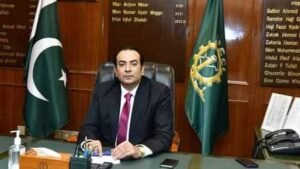
On the other side, President of the Federation of Pakistan Chambers of Commerce and Industry (FPCCI) Atif Ikram Sheikh rejected the State Bank’s decision to maintain the policy rate at 11.5 percent, saying it was contrary to the expectations of the business community. He called for an immediate reduction in the interest rate, arguing that the prevailing high borrowing costs were affecting business activity, increasing production costs and creating difficulties for businesses. He said a significant cut in the policy rate would help promote industrial and commercial activity, investment and economic growth by providing the private sector access to cheaper credit and creating new employment opportunities. He stressed that the business community needed lower interest rates alongside economic stability to accelerate business activity and economic growth.