
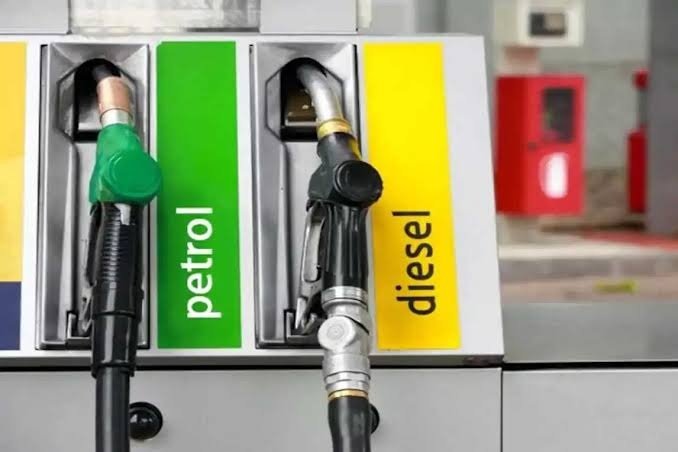
ISLAMABAD: Petrol and high-speed diesel prices have been increased by Rs2.29 and Rs1.11 per litre, respectively, under Pakistan’s revised petroleum pricing mechanism, adding to fuel costs for motorists, transporters, farmers and businesses from September 3, 2026.
According to the Petroleum Division, the Oil and Gas Regulatory Authority has revised the ex-depot prices of petroleum products in line with the revised petroleum pricing mechanism issued by the Federal Government.
The price of Motor Spirit, commonly known as petrol, has been increased from Rs343.87 to Rs346.16 per litre, showing a rise of Rs2.29 per litre. Similarly, the price of High Speed Diesel (HSD) has gone up from Rs370.92 to Rs372.03 per litre, registering an increase of Rs1.11 per litre.
The latest revision means consumers will have to pay more for two of the most widely used petroleum products in the country, with the revised prices applicable from September 3 under the current daily petroleum pricing mechanism.
Petrol is predominantly consumed by Pakistan’s private transport sector, particularly cars, motorcycles and other light vehicles. It is also extensively used by rickshaws and other forms of small-scale transport.
Because millions of households and daily commuters depend on petrol-powered vehicles, even a relatively modest increase in its price can translate into higher daily transportation expenses. The increase can also raise operating costs for ride-hailing services, private transport operators and small businesses relying on motorcycles and cars for mobility and deliveries.
The impact of the HSD increase is potentially broader because diesel is a key fuel for Pakistan’s heavy transport sector. Trucks, buses and other diesel-powered vehicles are extensively used to transport agricultural produce, industrial goods, construction material and consumer products across the country.
Higher diesel prices can therefore increase the cost of transporting goods from production centres to markets and from ports and industrial areas to different parts of the country. Transport costs are ultimately reflected in the prices of a wide range of goods and commodities.
The agricultural sector is another major consumer of diesel. Tractors, tube wells and other farm machinery rely heavily on diesel, particularly in areas where alternative sources of energy are either unavailable or insufficient. An increase in HSD prices can consequently add to farmers’ operating expenses and affect the overall cost of agricultural production.
Diesel is also used in generators and other machinery in commercial, industrial and rural areas where grid electricity is unavailable, unreliable or insufficient to meet operational requirements. Any increase in diesel prices can therefore have a wider impact on production and business costs.
The latest increase comes amid continued sensitivity over petroleum prices, as fuel costs directly influence transportation, agriculture, logistics and industrial activity. For consumers, higher petrol prices can put additional pressure on monthly household budgets, while businesses may face increased expenses for transportation, deliveries and other fuel-dependent operations.
According to the Petroleum Division’s notification, the new ex-depot price of petrol stands at Rs346.16 per litre against the previous price of Rs343.87, while the ex-depot price of HSD has risen to Rs372.03 per litre from Rs370.92.
Pakistan has shifted to a daily petroleum pricing mechanism under which domestic fuel prices are revised in response to movements in international oil markets and other relevant pricing factors. The system is intended to allow domestic petroleum prices to respond more rapidly to changes in global market conditions.
The latest revision once again places fuel prices at the centre of consumer and business concerns, with the higher cost of petrol expected to affect motorists and light transport users, while the increase in diesel prices could have wider implications for freight movement, agriculture, construction and the overall cost of doing business.