
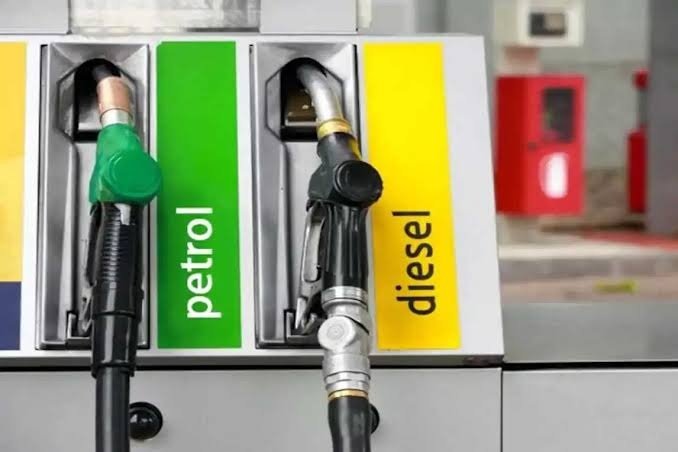
ISLAMABAD: The government has raised petrol price by Rs4.42 per litre and high-speed diesel (HSD) by Rs6.10 per litre, pushing fuel prices to new highs amid a sharp increase in international oil prices and escalating supply concerns in the Middle East.
According to a notification issued by the Ministry of Energy (Petroleum Division), the Oil and Gas Regulatory Authority (OGRA) revised the ex-depot prices of petroleum products under the government’s petroleum pricing mechanism. The revised prices are applicable for Tuesday, September 15, 2026.

The price of Motor Spirit (petrol) has been increased from Rs375.82 to Rs380.24 per litre, registering a rise of Rs4.42 per litre.
The price of HSD, widely used in transport, agriculture and other economic activities, has been increased by Rs6.10 per litre, from Rs403.32 to Rs409.42 per litre.
The latest increase marks the sixth consecutive hike in petroleum prices, further increasing the fuel burden on consumers and businesses already facing elevated transportation and operating costs.
In the previous review applicable for September 12, the government had increased petrol price by Rs5.02 per litre and HSD by Rs5.28 per litre, taking their prices to Rs375.82 and Rs403.32 per litre, respectively.
The latest revision comes as international oil prices surged by more than 2% on Monday, with both major crude benchmarks trading above $100 a barrel amid growing concerns over disruption to global oil supplies following attacks on energy infrastructure and shipping in the Middle East.
Brent crude futures rose $2.72, or 2.6%, to $107.33 a barrel by 11:39am ET (1539 GMT), while US West Texas Intermediate crude increased $2.51, or 2.5%, to $102.56 a barrel. WTI was on track for its highest close since May 19.
The sharp rise in global crude prices followed a fresh escalation in regional tensions, with Yemen’s Houthis claiming to have fired dozens of missiles and drones at a Saudi military airbase in Khamis Mushait on Monday.
A separate attack on Saudi Arabia’s east-west pipeline on Friday, which was blamed on Iran-backed fighters in Iraq, also added to concerns over the security of oil supplies.
The attack reportedly forced Saudi Arabia to reroute crude shipments through the Red Sea instead of the Strait of Hormuz, raising concerns over potential disruption to a major global oil supply route.
The developments have intensified fears of a prolonged supply shock, with disruptions potentially affecting a significant share of global oil supplies. The Strait of Hormuz and associated regional infrastructure remain critical to international energy markets, making any disruption a major factor for crude prices.
For Pakistan, the increase in international oil prices is directly relevant to domestic petroleum prices under the prevailing pricing mechanism, where changes in global oil markets feed into the periodic review of local fuel prices.
The latest hike in particular raises the pressure on diesel-dependent sectors, as HSD has recorded a larger increase than petrol in the latest review. Higher diesel prices can feed into freight, public transport, agriculture and the movement of goods, potentially adding to inflationary pressures across the economy.
The continued increases also come at a time when consumers are already absorbing the impact of successive petroleum price revisions. The latest Rs4.42 per litre increase takes petrol to Rs380.24, while the Rs6.10 per litre increase pushes HSD above the Rs400-per-litre mark to Rs409.42.
The government’s continued reliance on periodic adjustments means domestic petroleum prices will remain exposed to developments in international oil markets, particularly if geopolitical tensions continue to threaten crude production, transportation and shipping routes.